

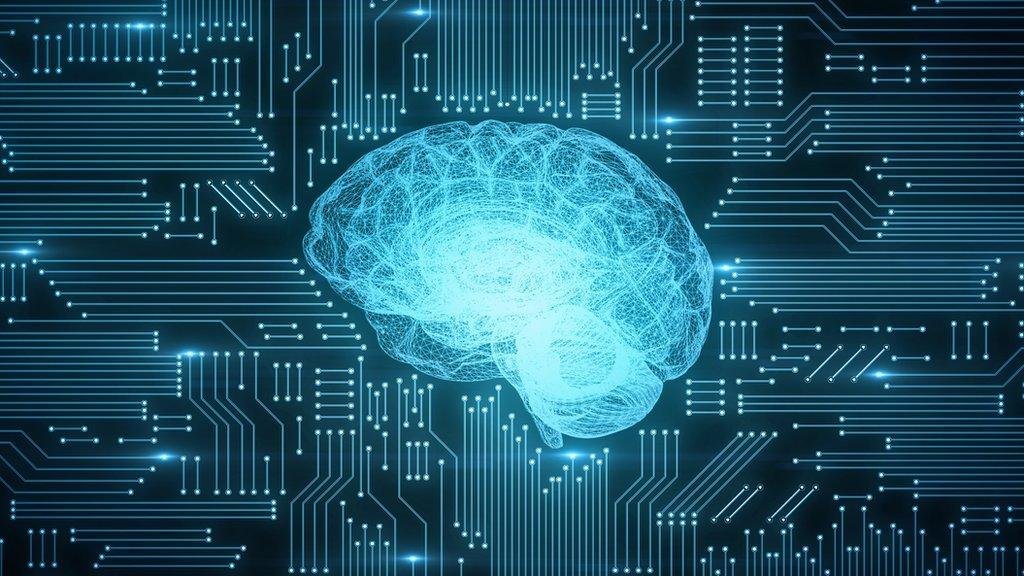
Artificial Intelligence (AI) represents a significant advancement in technology, simulating human cognitive functions through machines. It involves complex processes such as machine learning and natural language processing. These capabilities are transforming various sectors, yet they also present pressing ethical dilemmas and societal implications. As AI continues to develop, understanding its potential and the challenges it brings becomes crucial. What lies ahead in this rapidly evolving field?
The Evolution of Artificial Intelligence
As artificial intelligence (AI) continues to transform various sectors, understanding its evolution reveals the technological advancements and theoretical innovations that have shaped its development.
A history timeline of AI showcases major milestones, including the Turing Test in 1950, the advent of machine learning in the 1980s, and the rise of deep learning in the 2010s, each marking significant progress in the quest for intelligent systems.
Key Concepts and Technologies in AI
Artificial Intelligence encompasses a range of key concepts and technologies that underpin its functionality and application across various domains.
Central to AI are machine learning algorithms, which enable systems to learn from data and improve over time.
Additionally, neural networks, inspired by the human brain, facilitate complex pattern recognition and decision-making, driving advancements in autonomous systems and enhancing the potential of AI technologies.
See also: How Technology Has Changed the World
Applications of AI in Everyday Life
While many people may not recognize it, AI has seamlessly integrated into various aspects of everyday life, fundamentally transforming how individuals interact with technology.
From healthcare innovations that enhance diagnostic accuracy to smart home technology that optimizes energy consumption, AI facilitates improved decision-making and efficiency.
The exploration of these applications raises questions about dependency and the balance between convenience and autonomy in daily living.
The Future of Artificial Intelligence and Its Implications
The trajectory of artificial intelligence suggests a future marked by unprecedented advancements and profound societal implications.
Ethical considerations surrounding AI development necessitate scrutiny, particularly regarding potential job displacement. As machines increasingly automate tasks, the workforce may face significant upheaval, prompting questions about economic equity and individual autonomy.
Therefore, a balanced approach is essential to navigate these challenges while harnessing AI’s transformative potential.
Conclusion
In conclusion, the trajectory of artificial intelligence reveals a paradoxical intertwining of innovation and ethical dilemmas. As machines increasingly emulate human cognitive functions, the coincidence of technological advancement and societal apprehension intensifies. This duality invites an ongoing inquiry into the implications of AI on autonomy and labor dynamics. Ultimately, the future of artificial intelligence lies not only in its capabilities but also in the collective response of society to the challenges it presents, shaping the human-machine relationship.



 Laptops Vs Desktop Computers