

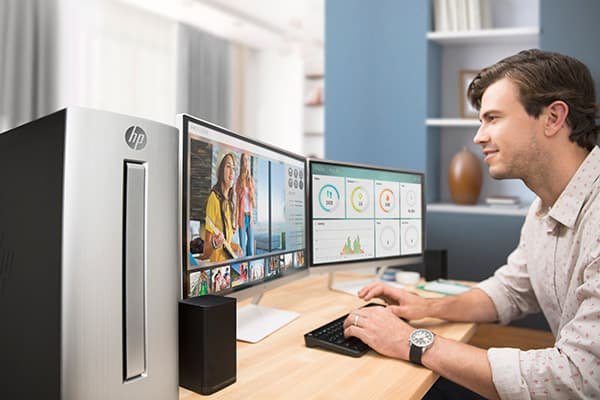
The debate between laptops and desktop computers centers on user needs and technological capabilities. Laptops provide unmatched portability, catering to those who require flexibility in their work environments. Conversely, desktops often deliver enhanced performance and customization options, appealing to gamers and professionals alike. Each option presents unique advantages, prompting users to weigh their priorities carefully. This analysis will explore the critical aspects that distinguish these two computing platforms and guide users in making an informed decision.
Portability and Convenience
Frequently, the choice between laptops and desktop computers hinges on the critical factors of portability and convenience.
Laptops, designed for mobility, offer superior battery life, allowing users to work from various locations without being tethered to an outlet. Additionally, many laptops feature ergonomic designs, promoting comfort during extended use.
Conversely, desktops, while powerful, lack the same flexibility, often remaining stationary.
Performance and Upgradability
While laptops excel in portability, desktops often dominate in performance and upgradability, making them a preferred choice for power users and gamers.
Desktops typically achieve superior speed benchmarks due to their powerful components.
Furthermore, their hardware compatibility allows for easy upgrades, enabling users to enhance performance as technology evolves, ensuring a customizable experience tailored to individual needs and preferences.
See also: How Technology Is Advancing Space Exploration
Cost Considerations
When evaluating the cost of laptops versus desktop computers, it becomes evident that the initial investment and long-term expenses can vary significantly between the two.
Laptops generally require a higher upfront cost due to their portability and integrated features, while desktops tend to offer greater value over time, as their components can be upgraded and replaced more easily, reducing long-term expenses.
Use Cases and User Preferences
How do use cases and user preferences shape the choice between laptops and desktop computers?
Users with specific gaming needs often favor desktops for superior performance and customization, while those in dynamic work environments typically opt for laptops due to their portability.
Ultimately, individual priorities regarding mobility, performance, and usage context significantly influence this decision, highlighting the diverse needs of modern technology users.
Conclusion
In the ongoing debate between laptops and desktop computers, the choice is akin to selecting a vehicle for a journey; each has its unique strengths tailored to different destinations. Laptops shine in portability and convenience, catering to those on the move, while desktops offer a powerhouse of performance and upgradability for demanding tasks. Ultimately, the decision hinges on individual needs and preferences, where understanding one’s priorities can illuminate the path to the ideal computing solution.




 Stretchable Jeans vs Regular Jeans: Which Offers the Best Fit for Curvy Figures